To be a center of excellence in Continuing Medical Education that fosters lifelong learning, clinical competence, and professional integrity, ensuring high-quality, evidence-based healthcare and improved patient outcomes.
Mission
To promote lifelong learning among medical faculty, clinicians, and healthcare professionals through structured and innovative CME programs.
To update knowledge and clinical skills in line with recent advances in medical science, technology, and evidence-based practice.
To enhance teaching, research, ethical practice, and leadership in healthcare.
To support professional development that meets national and international accreditation standards.
To contribute to improved patient care and community health through continuous professional growth.
Continuing Medical Education (CME)
Chairperson : Prof. Ferdousi Islam, Professor. Gynae & Obs
Member Secretary : Prof. Homayra Tahseen Hossain, Professor, Medicine
Member : Prof. Mohammad Mahbub-Ul-Alam of Com. Medicine Dr. Iftekhar Ibne Mannan, Asso. Professor of Plastic Surgery Dr. Sumaya Akhter, Asso. Professor of Gynae & Obs Dr. Tamanna Mustary, Assistant Professor of Dermatology Dr. Shain Fariya Shetu, Assistant Professor of Gynae. Obs

Roles and Responsibilities
Planning and Organization
Plan, coordinate, and conduct CME programs, workshops, seminars, conferences, and guest lectures.
Prepare an annual CME calendar in accordance with institutional goals and regulatory body guidelines (e.g., NMC).
Identify learning needs of faculty, residents, and healthcare professionals.
Academic Development
Promote lifelong learning and professional development among faculty and postgraduate students.
Ensure CME activities are evidence-based and aligned with current medical advancements.
Encourage interdisciplinary and interdepartmental academic activities.
Coordination and Communication
Coordinate with departments, speakers, external experts, and professional bodies.
Communicate schedules, topics, and objectives of CME activities to all stakeholders.
Liaise with national and international organizations for accredited CME programs.
Accreditation and Compliance
Ensure CME programs meet accreditation requirements of regulatory authorities.
Maintain compliance with National Medical Commission (NMC) and institutional policies.
Apply for CME credit hours and maintain accreditation records.
Documentation and Record Keeping
Maintain detailed records of CME activities, including attendance, topics, speakers, and feedback.
Prepare reports for academic councils, management, and inspection bodies.
Archive certificates, photographs, and supporting documents.
Monitoring and Evaluation
Collect and analyze participant feedback to assess effectiveness of CME programs.
Monitor participation of faculty and residents.
Implement improvements based on evaluation outcomes.
Faculty Development
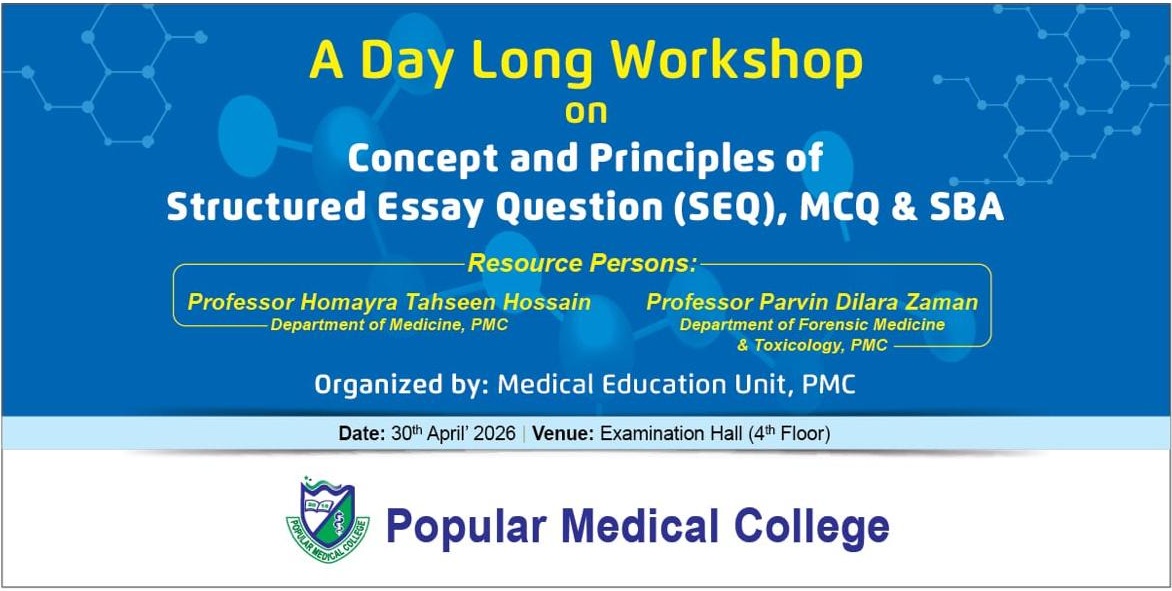
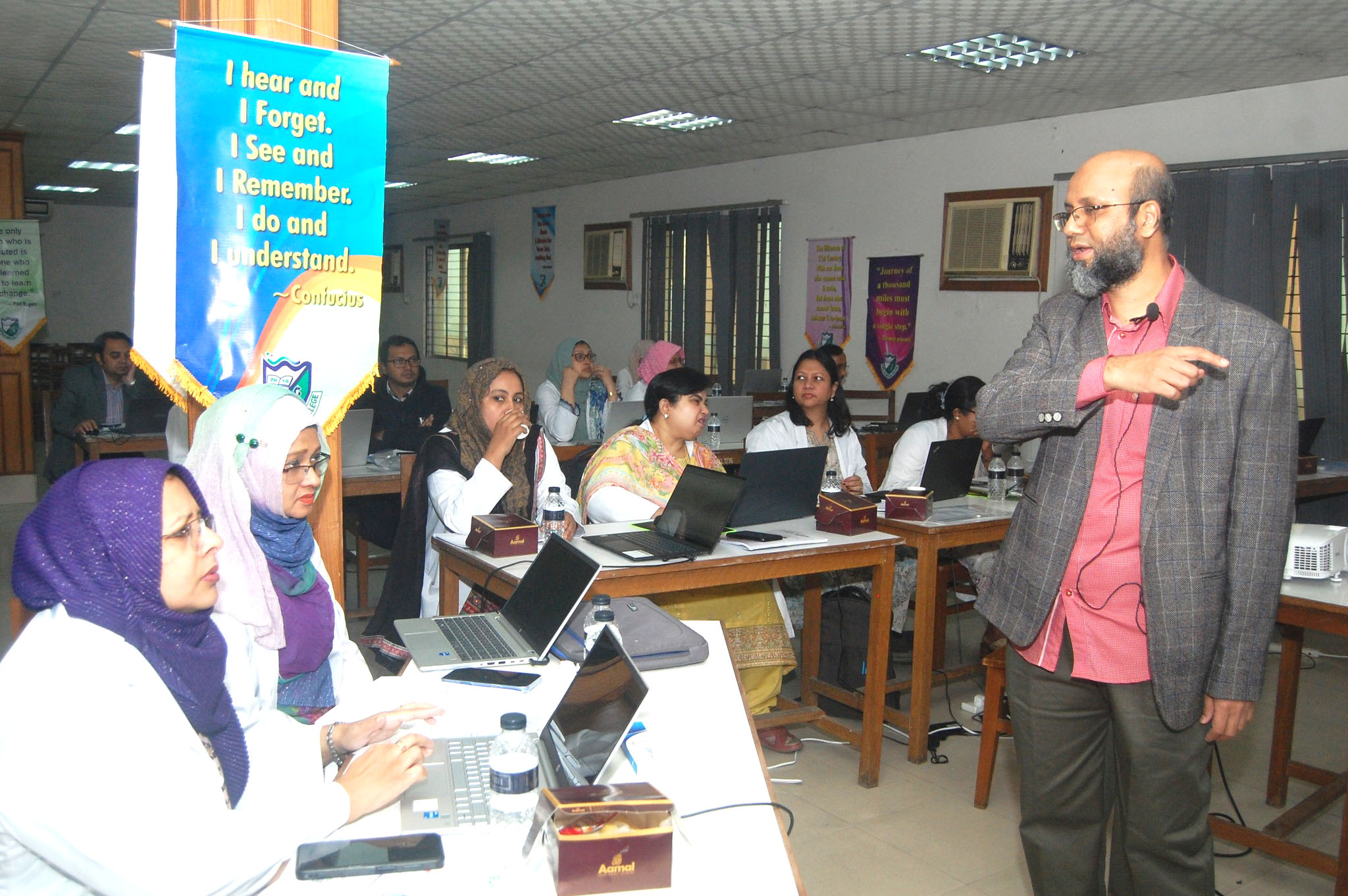
Organize Faculty Development Programs (FDPs), medical education technology (MET) workshops, and training sessions.
Support faculty in updating teaching methodologies and assessment techniques.
Research and Innovation Support
Encourage research-oriented CMEs and updates on recent guidelines.
Promote innovation in teaching, learning, and clinical practice.
Ethical and Professional Standards
Ensure ethical conduct and transparency in CME activities.
Avoid conflicts of interest and ensure unbiased educational content.
Budget and Resource Management
Assist in budgeting and optimal utilization of resources for CME activities.
Ensure proper use of infrastructure and learning resources.
CME Schedule
Explore & Download Click a button to open in a new tab